Alpaca Wool is the answer to a very common question: "I don't like wool – it itches. What can I use instead?" Very often, the right answer is: Alpaca.
But Alpaca Wool is more than a fallback solution for wool critics. It is an exceptional fiber with its own strengths, character, and a long history. This article explains everything you need to know about Alpaca Wool: where it comes from, how it differs from Merino Wool, what projects it is suitable for, how to care for it – and which specific Alpaca yarns at BONIFAKTUR are especially recommended.
The Alpaca: A South American animal with exceptional fiber
Alpacas are New World camels – more closely related to llamas than to sheep. They originally come from the Andes of South America, where they live at altitudes between 3,500 and 5,000 meters. This extreme environment – scorching hot during the day, freezing cold at night, intense UV radiation on the high plateau – has shaped the fiber.
The Andean highlands have been home to Alpaca breeding for at least 6,000 years. The Inca valued Alpaca Wool as one of their most precious goods – clothing made from Alpaca Wool was reserved for nobility. The Spanish called it "the fleece of the gods." This tradition continues today: Peru, Bolivia, and Chile are the main production countries, and the craft of Alpaca fiber processing has been passed down there through generations.
There are two Alpaca breeds:
Huacaya: The more common type, with fluffy, crimped fleece that resembles sheep wool. Most knitting yarns come from Huacaya.
Suri: Rarer and more valuable. The fleece of the Suri Alpaca hangs in long, silky, non-crimped fibers – similar to dreadlocks. Suri Alpaca Wool has a characteristic Sheen that other Alpaca types lack. Suri yarns are more complex to process and accordingly more expensive.
What makes Alpaca Wool unique?
Alpaca Wool differs from sheep wool (including Merino Wool) in several fundamental properties:
No scales like sheep wool
The surface texture of Alpaca fibers is smoother than that of sheep wool fibers. Sheep wool has pronounced scale edges on each fiber – these scales are what sometimes irritate when worn. Alpaca fibers are smoother, with less pronounced scales. This is the main reason why Alpaca itches much less than sheep wool.
People who are sensitive to Merino Wool – even fine, high-quality Merino – often tolerate Alpaca Wool without problems. For Knitters who knit for children or sensitive people, alpaca is often the better choice.
No Lanolin
Alpaca fibers contain no Lanolin – the natural fat in sheep wool. Lanolin is harmless for most people, but in rare cases of Lanolin hypersensitivity, sheep wool products can cause reactions. Alpaca Wool is completely free of this risk.
This makes Alpaca Wool naturally Hypoallergenic. For baby clothing in families sensitive to wool, alpaca is an excellent alternative.
Hollow fibers – excellent Warmth with minimal weight
Alpaca fibers are partially hollow – similar to down fibers. These cavities trap air, making alpaca an exceptional insulator: very Warm with minimal weight. A lightweight alpaca sweater warms more than a wool sweater of the same weight.
This is why alpaca clothing has been used in the Andes for millennia for extreme high altitudes – light enough to wear on a mountain trail, Warm enough for Andean winter nights.
Silk-type Sheen
Alpaca Wool has a natural Sheen that Merino Wool lacks. It is not as pronounced as in Silk or linen yarn, but clearly noticeable. This Sheen is especially visible in smooth patterns (stockinette stitch, simple ribs) – a sweater made of fine alpaca radiates a natural elegance that other fibers do not achieve.
Moisture management
Alpaca absorbs moisture and releases it – similar to sheep wool, but without the Lanolin that creates a slightly greasy feel for some people. Damp alpaca feels cool, dries a bit slower than wool, but without the musty smell that cheap synthetic fibers develop.
The weakness of Alpaca Wool: lack of Elasticity
No material is perfect – and Alpaca Wool has a specific weakness you should know: it has little natural Shape Retention.
The fibers stretch but do not fully spring back. This has direct consequences when knitting:
Pieces made from pure Alpaca can lengthen over time. A Sweater made from pure Baby Alpaca can be noticeably longer at the hem and sleeves after regular wear than after knitting. This is due to the lack of resilience – the piece’s own weight slowly stretches the Fibers.
Textured Stitch patterns appear less three-dimensional. Cables, reliefs, and other Textured Stitch patterns rely on the resilience of the Fibers – that is why cables in Merino Wool are so clear and sharp. In pure Alpaca they have less contrast and depth.
For short structures (accessories, shawls, short cardigans) this is not a problem. For long garments like cardigans and Sweaters, we recommend blended yarns: Alpaca combined with Wool or Silk provides more Shape Retention and resilience.
Standard Alpaca vs. Baby Alpaca: What is the difference?
"Baby Alpaca" sounds like Wool from young animals – but that is a misunderstanding. Baby Alpaca refers to the finest quality grade of Alpaca Wool, not the age of the animal.
Alpaca Wool is sorted by Fiber diameter, similar to Merino Wool. Baby Alpaca (also called "First Fleece" or "Prima") are the finest Fibers, typically under 22 microns – often obtained from the first shearing of young animals or from particularly fine body areas (chest, back).
Baby Alpaca compared to Standard Alpaca:
– Softer: The finer Fibers create a noticeably more delicate feel on the skin
– More Sheen: Thinner Fibers reflect light more evenly
– More expensive: Selection and processing require more effort
– Ideal For: Baby clothing, pieces worn directly on sensitive skin, festive accessories
Standard Alpaca is less fine but still noticeably softer than many sheep Wool yarns. For pieces worn over clothing (cardigans over a shirt, wrap shawls), the difference to Baby Alpaca matters less than with direct skin contact.
What projects is Alpaca Wool suitable for?
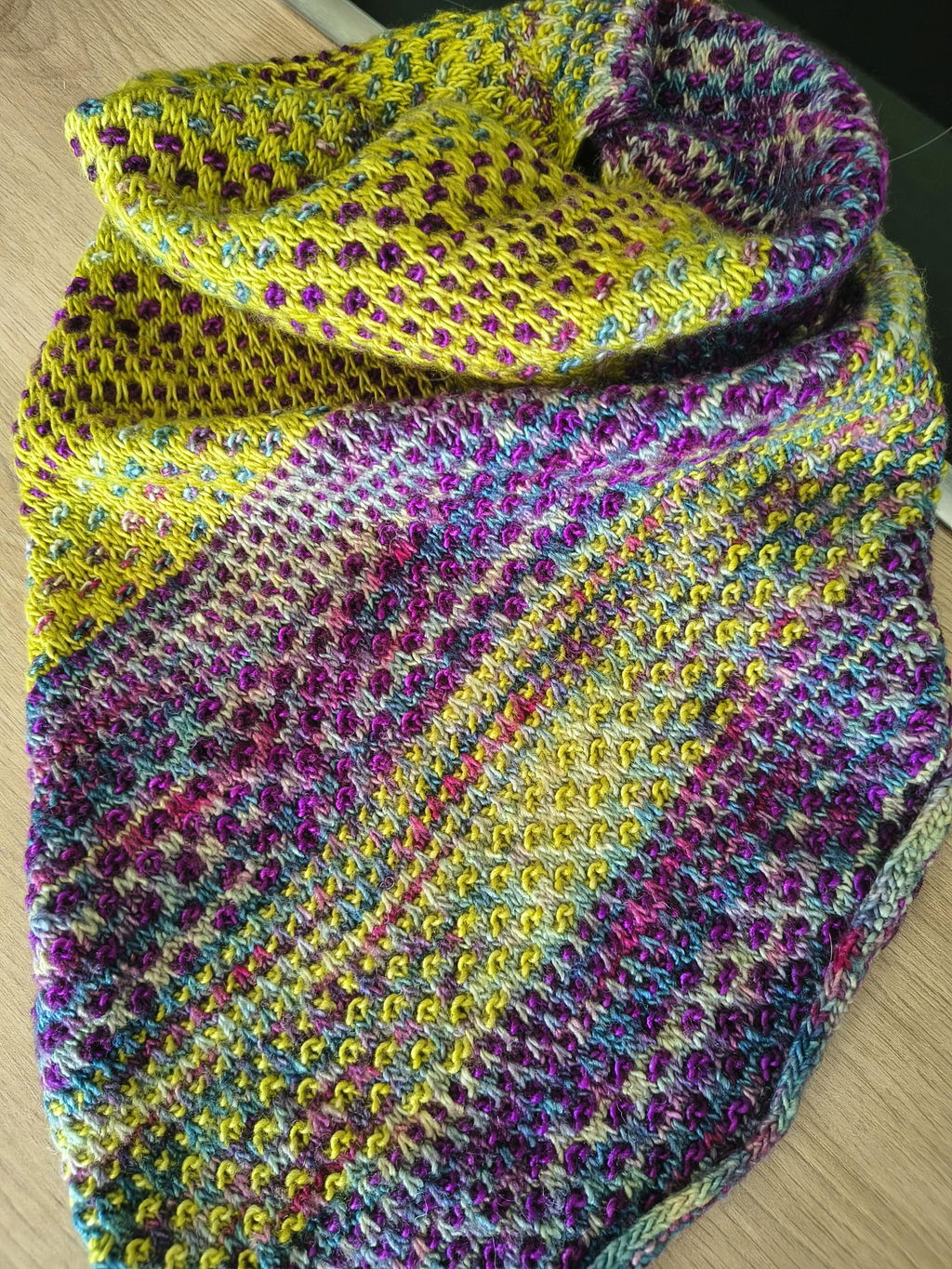
Shawls, Stolas, and Scarves: Excellent. Here the characteristic Drape of Alpaca is a pure advantage. An Alpaca shawl falls differently than a Wool shawl – softer, more flowing, with more natural movement. The lack of Elasticity is not a problem for flat pieces without fit relevance.
Accessories (Hats, Mittens, Arm Warmers): Very good. Alpaca Wool in hats is warm and light – exceptionally combining properties.
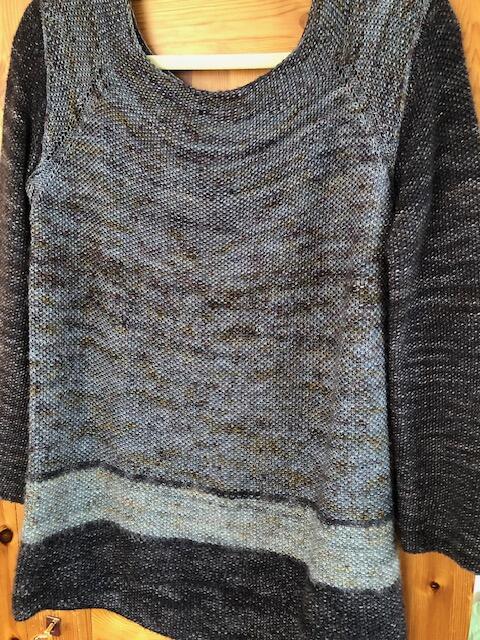
Light Sweaters and short cardigans: Good, with limitations. The lack of Elasticity can cause lengthening in long garments. Short constructions (cropped Sweaters, short jackets) are less risky than long cardigans.
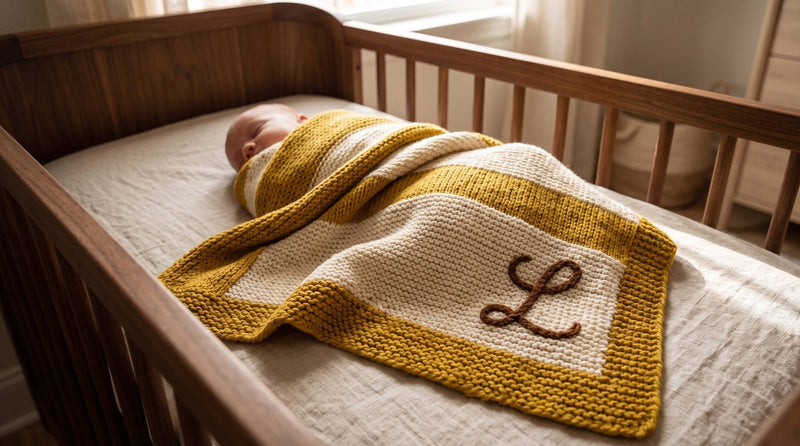
Baby clothing: Very good, especially Baby Alpaca. Hypoallergenic, soft, no Lanolin. The lower ease of care (no Superwash, only Hand Wash) is a compromise for baby clothing – but acceptable for special pieces.
Socks: Not recommended. The lack of abrasion resistance in Alpaca Wool (no Nylon, no hard Fibers) makes pure Alpaca Yarn socks less durable. There are better-suited Yarns for everyday socks.
Alpaca vs. Merino: The key differences
| Property | Alpaca Wool | Merino Wool |
|---|---|---|
| Softness | Very soft, smoother surface | Very soft (quality Merino), slightly more scale texture |
| Scratchy | Barely scratchy, Hypoallergenic | Barely scratchy (fine enough), but more delicate |
| Elasticity | Low – pieces can stretch | High – Stitches spring back |
| Warmth/Weight | Very Warm with minimal weight | Warm, but somewhat heavier than Alpaca |
| Sheen | Natural Silk Sheen | Matte to slightly Sheen finish |
| Lanolin | No Lanolin (Hypoallergenic) | Contains Lanolin |
| Ease of care | Mostly Hand Wash | Superwash variants machine washable |
| Textured Stitch | Less defined (due to low Elasticity) | Very clear and defined |
| Price | Higher than standard Merino | Varies greatly by quality |
Care of Alpaca Yarns and pieces
Alpaca Wool requires gentle care:
Washing: Hand Wash at max. 30°C, with mild Wool Wash. Non-superwash Alpaca felts more slowly than sheep Wool but is not completely resistant to felting. Gently press, do not rub.
Rinsing: Use water at the same temperature – temperature changes can affect the Fiber structure.
Pressing out: Gently squeeze, roll in a towel and press. Do not wring or twist.
Drying: Always dry flat. Damp Alpaca stretches significantly under its own weight. A damp Alpaca sweater drying while hanging will be noticeably longer at the hem than expected.
Storage: Store flat, do not hang. Protect from moths – Alpaca Wool is just as attractive to moths as sheep Wool. Keep lavender or cedarwood nearby.