Virgin Wool: The Original – natural, long-lasting, irreplaceable
Virgin wool is the oldest knitting yarn in the world – and still unmatched. No synthetic fibre has the same combination of temperature regulation, moisture management, resilience and natural durability. Virgin wool comes from shorn sheep (not slaughtered ones – that's what sets it apart from other types of wool) and is therefore a renewable, natural resource.
What is virgin wool?
„Virgin wool“ refers to wool sheared directly from the living sheep – as opposed to recovered wool, which is obtained from animals that have already been slaughtered. Virgin wool is the standard label for high-quality wool and appears on many yarn labels as a mark of quality. The term says nothing about the sheep breed – virgin wool can come from Merino sheep, Rambouillet, Churra or other breeds and accordingly have different properties.
Why is virgin wool so special for knitting?
Wool can absorb up to 35% of its own weight in moisture without feeling wet – it wicks moisture away from the skin and slowly releases it into the surroundings. This makes woollen clothing a natural temperature regulator: warm when it's cold, not stuffy when it gets warmer.
Wool yarns also have natural resilience: the characteristic scaly structure of the wool fibre gives it elasticity. Stitches in wool spring back, knitted pieces keep their shape, and after washing a woollen piece can simply be eased into place and dried flat. Plant fibres such as cotton and linen lack this property almost entirely.
Finally: wool is naturally dirt- and odour-repellent. Lanolin – the natural grease in untreated wool – is antibacterial and odour-inhibiting. Even superwash-treated wool (in which lanolin is largely removed) is significantly more odour-resistant than synthetic yarns.
Virgin wool and certifications: RWS, GOTS and mulesing-free
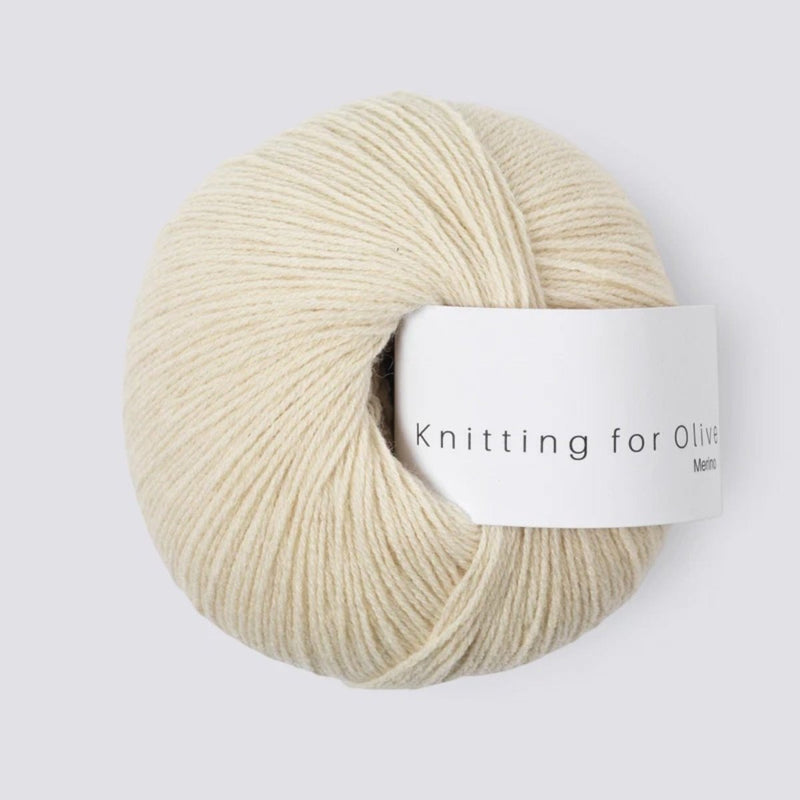
Animal welfare is an important topic with virgin wool. The Responsible Wool Standard (RWS) certifies sheep farms that uphold animal welfare, soil protection and fair working conditions. RWS wool is traceable from the farm to the finished yarn. Several of our yarns – including Knitting for Olive Merino and Rosy Green Wool Cheeky Merino Joy – are RWS-certified.
Mulesing-free is particularly relevant for Merino wool: mulesing is a controversial procedure used in Australia to protect sheep from flystrike. Many European manufacturers work exclusively with mulesing-free wool – this is then usually stated on the label or in the product description.
Our virgin wool yarns at BONIFAKTUR
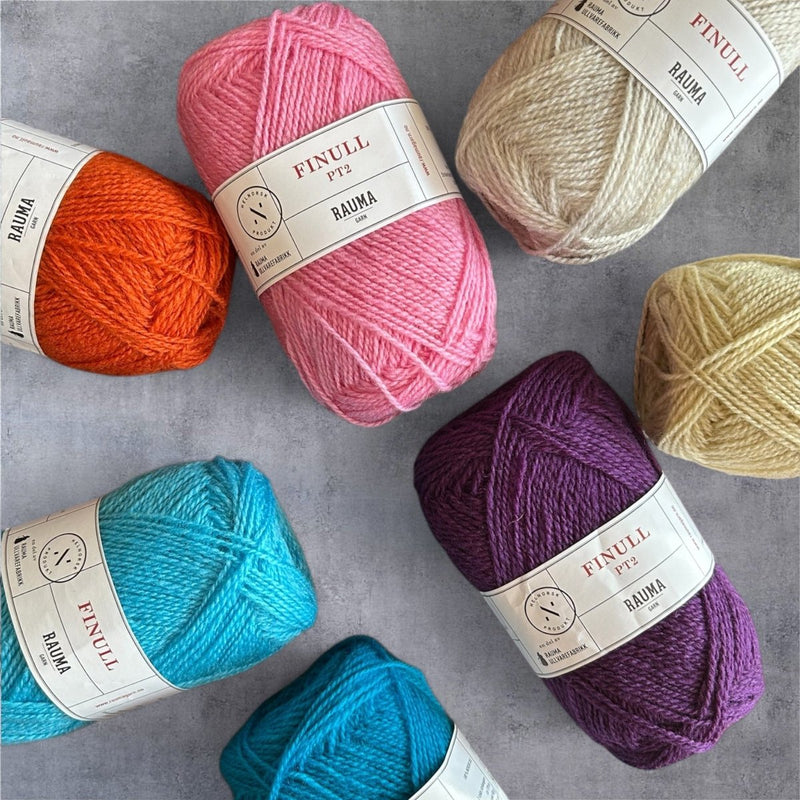
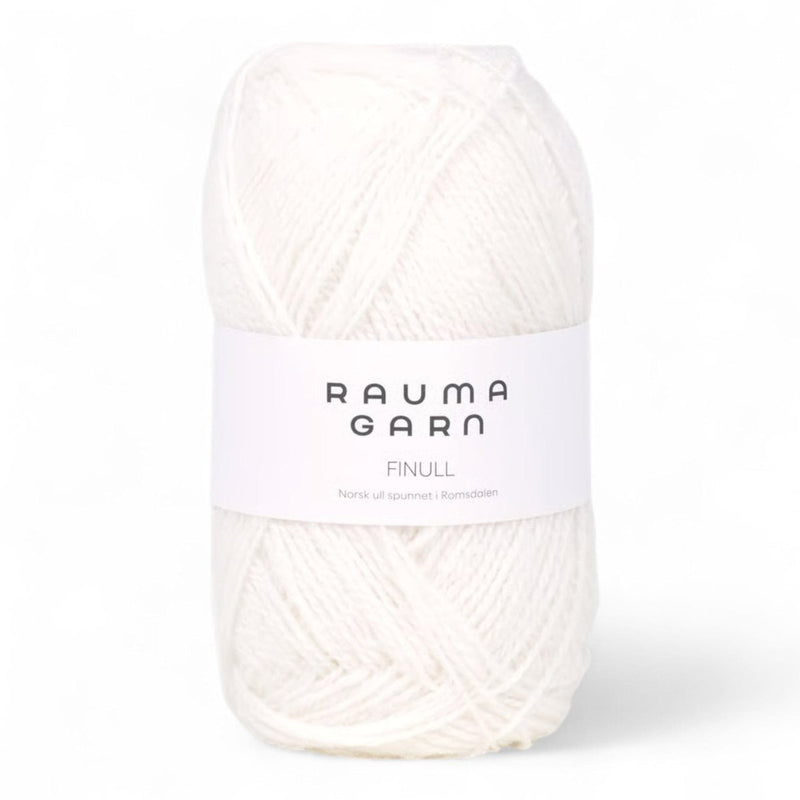
Rauma Finull (185m/50g) – classic Norwegian virgin wool, high-twist, for colorwork and stranded colorwork. OEKO-TEX® certified. More in the Rauma Brand Guide.
Sandnes Peer Gynt (265m/100g) – Danish DK yarn made of virgin wool for colorwork and everyday projects. OEKO-TEX® certified. More in the Sandnes Garn Brand Guide.
Istex Léttlopi (100m/50g) – the original Lopi yarn from Iceland. 100% Icelandic virgin wool, untreated (not superwash), with natural character. For Lopapeysa sweaters and everyone who appreciates real Nordic wool. More in the Istex Lopi Brand Guide.
More about animal welfare, certifications and the properties of different wool breeds: RWS, GOTS & OEKO-TEX: Seal Guide. Ships from München, free over €100 within Germany.