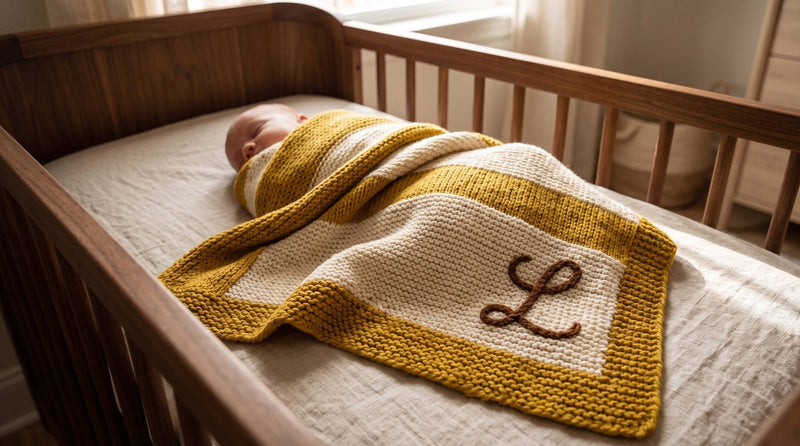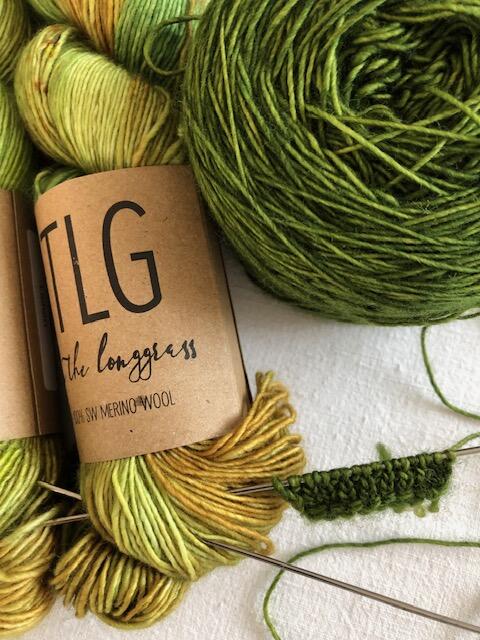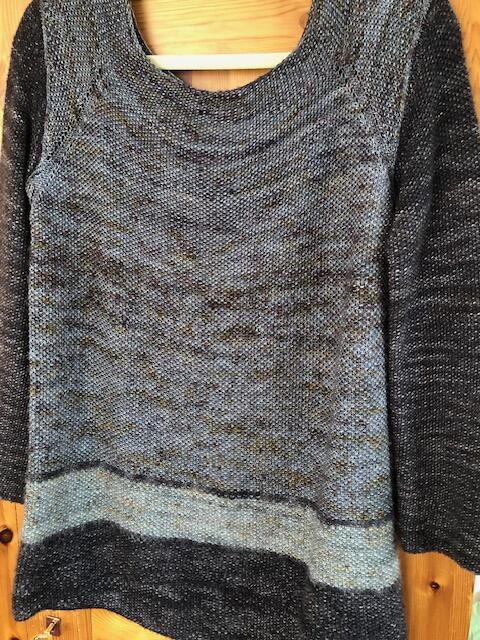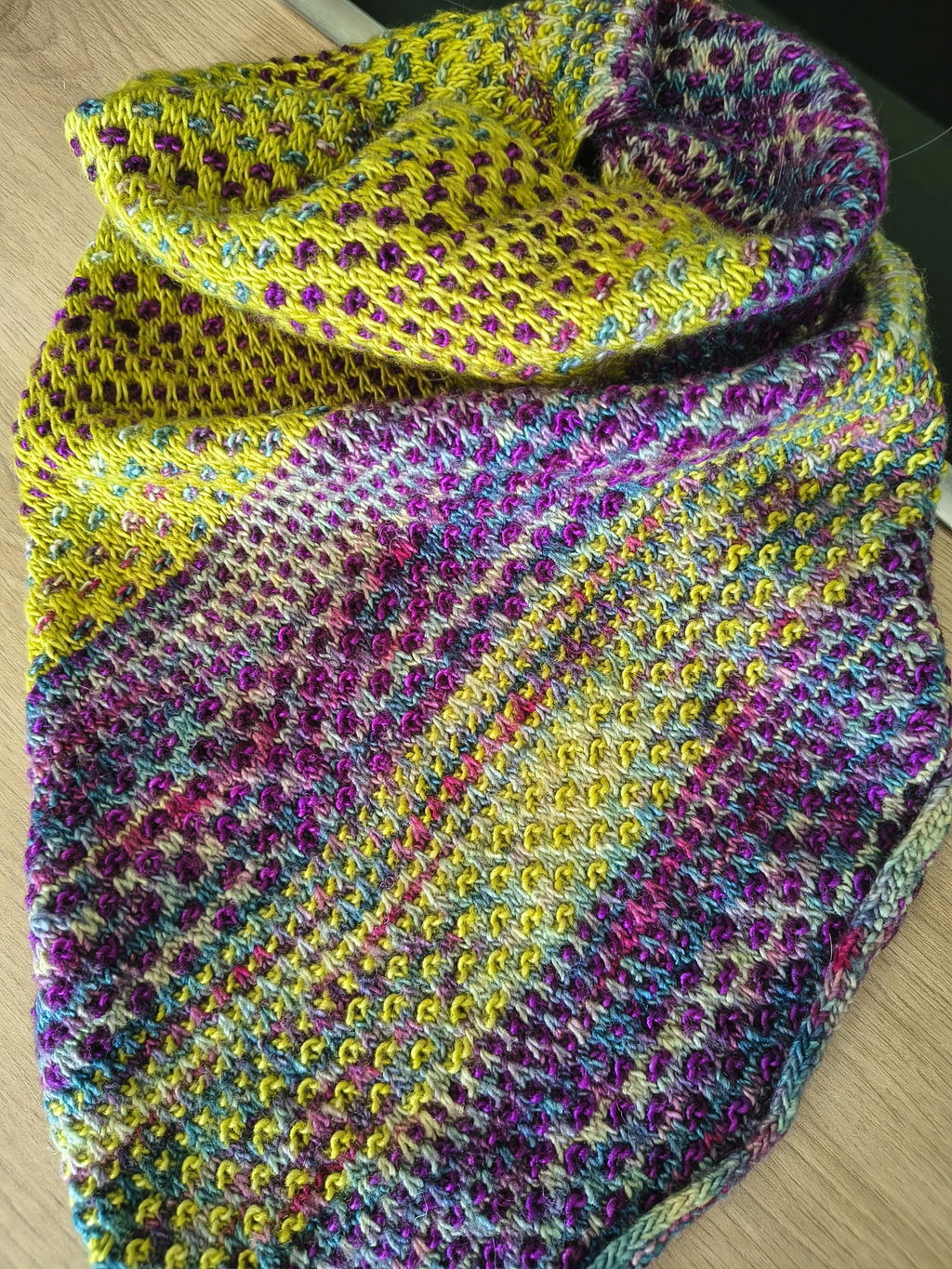
Knitting the first sweater – that’s a moment. Not because it’s especially difficult. But because it takes knitting to another level: from small projects to a real garment. A piece you actually wear. If that works, you knit the second. And then eventually the third – swearing you’ll never stop.
The most important decision before the first Cast On is the Yarn Choice. The wrong choice makes the project frustrating. The right one makes it an experience you remember fondly.
This article explains what makes a yarn a good beginner yarn, which yarns we specifically recommend, how much you need – and what else you should know.
What makes a yarn good for the first sweater?
Three factors decide:
1. The Weight
For the first sweater: not too thin, not too thick. Fingering (2–3mm Needles) means many stitches, slow growth, and thus little motivation for beginners. Chunky (8mm+) finishes quickly but shows mistakes very clearly due to the coarse structure and allows little room for correction.
The sweet spot for beginners is DK (3.5–4.5mm) or light Worsted (4.5–5mm). Stitches are clearly visible, Needle Size is manageable, and the sweater grows fast enough to keep motivation.
2. The Fiber Type
Wool is almost always the best choice for the first sweater. Why? Wool springs back. Uneven stitches – which always happen at the beginning – become more even due to the springiness of the wool stitch structure. With Cotton or Silk, the stitches sit exactly as you knit them – no elasticity, no corrections from the material itself.
Merino Wool is the best choice among wool yarns: soft enough to wear directly on the skin, durable enough for everyday use, and available in qualities that are Machine Washable.
3. The Color
Choose a color in which you can clearly see the stitches. Very dark yarns (deep black, navy, dark brown) make knitting tiring – you can hardly see what you are doing. Very light or white yarns show every unevenness. Medium tones – a warm gray, a soft blue, a muted terracotta – are the ideal starting point.
The yarns we specifically recommend
Knitting for Olive Heavy Merino (DK/light Worsted, approx. 125m/50g)
This is our first recommendation for beginner sweaters. The Heavy Merino combines all the qualities important for the first sweater:
Softness: 100% Merino Wool (not superwash), pleasant on the skin. No scratchiness, even with direct skin contact. Care: Hand Wash recommended – soak in cold water, dry flat. The first Sweater goes into the wash regularly – it has to withstand that. Color variety: The Knitting for Olive palette with over 90 colors means: you will definitely find the color you want. Reliability: Consistent dye lot quality. What you buy today matches what you need to buy in three weeks if you need more.
OEKO-TEX® Standard 100 certified – no gimmicks, just tested quality.
For an adult size M you need approx. 500–700g Heavy Merino, depending on construction. Buy all balls from the same dye lot.
Holst Garn Supersoft (Light Fingering, 50% Merino, 50% Shetland Wool, approx. 287m/50g)
Exceptionally soft for a wool yarn – the combination of Merino Wool and fine Shetland Wool creates an unusual feel. If you imagine your first Sweater should feel like a hug, Supersoft is a very good choice. The color palette is more subdued than Knitting for Olive – natural tones, muted colors, timeless. Supersoft can be used single (for fine projects) or doubled (for DK-like weight).
Sandnes Peer Gynt (DK, 100% Virgin Wool, OEKO-TEX®)
If you want to knit a Sweater with colorwork or Stranded Colorwork from the start, choose Peer Gynt. The tightly spun DK yarn from Norway shows two-color patterns very clearly and is the classic choice for Nordic designs. Not superwash – Hand Wash – but that is absolutely acceptable for a special Sweater that you care for carefully.
Malabrigo Rios (Worsted, 100% Superwash Merino, hand-dyed)
For everyone who wants their first Sweater to look extraordinary at first sight: Rios is hand-dyed in Uruguay, in deep, incomparable colors. The finished piece looks professional right away – because the yarn itself is a work of art. Worsted Weight also means: finished faster than in DK.
How much yarn do I need?
This is one of the most common questions before the first Sweater project. The answer depends on construction, size, and weight.
Rule of thumb for DK yarns (approx. 220–250m/100g):
- Size XS (chest circumference up to 86cm): approx. 400–500g
- Size S (up to 91cm): approx. 450–550g
- Size M (up to 97cm): approx. 500–650g
- Size L (up to 107cm): approx. 600–750g
- Size XL (up to 117cm): approx. 700–850g
- Size XXL (up to 127cm): approx. 800–950g
These values are guidelines – the specific pattern always gives the exact amounts. When in doubt: buy one Ball more. Leftover yarn can always be used for Socks, hats, or accessories.
Rule of thumb for Worsted yarns (approx. 200–220m/100g): About 10–15% more than for DK at the same size.
Important: Always buy all Balls of a project from the same dye lot (identifiable by the lot number on the label). Yarns from different dye lots can vary slightly in color.
Which construction for the first sweater?
For the first sweater, we recommend seamless Top-Down constructions – Raglan or Yoke (circular yoke).
Why Top-Down?
- You see early how the piece looks
- You can try on and adjust while knitting
- No seams at the end: no Seaming needed
- The logic is intuitive: you knit from top to bottom, all in one piece
A simple Top-Down Raglan is the perfect first sweater. The Increases run diagonally and give the shoulder area its shape – you make them at four fixed points every other round, and the yoke opens up by itself.
Check out our kits – many include exactly this construction with the right yarn, the correct quantity, and a proven pattern.
Gauge – indispensable, even for beginners
The most common mistake with the first sweater: skipping the Gauge. The result is usually a sweater that is too big or too small – after hours of invested work.
The Gauge takes 20 minutes. It is not an optional exercise. Knit a 15x15cm swatch on the recommended Needle Size, wash it the same way you will wash the finished piece, and measure after drying. If the stitches are too tight (more stitches per 10cm than specified): use larger needles. Too loose: smaller needles.
This 20-minute investment will save you potential hours of frustration.
Care of the finished sweater
Superwash yarns (Malabrigo Rios): Machine Wash on wool program, 30–40°C, low spin. Dry flat.
Non-superwash yarns (KFO Heavy Merino, Sandnes Peer Gynt, Holst Supersoft): Hand Wash recommended in cold water. Gently squeeze out, dry flat. Gently squeeze out, dry flat on a towel.
General: Never hang knitted sweaters on a hanger when they are wet – they stretch due to their own weight. Always dry flat.
Read More: